By Susan Ciancio
On January 23, we celebrate the feast day of St. Marianne Cope. St. Marianne was born in 1838 in Germany but moved to New York when she was a toddler. She felt called to serve Christ and the Church, but she had to help support her family when her father became ill. So she worked in a factory until the age of 24, when she entered the Sisters of St. Francis.
She then began teaching at elementary schools in the New York area. In addition, she helped establish hospitals and became a nurse/administrator where she was known for her immense compassion. In 1883, she received a letter asking for volunteers to go to the Hawaiian Islands to serve the lepers in the leper colony of Molokai. She and six other sisters volunteered.
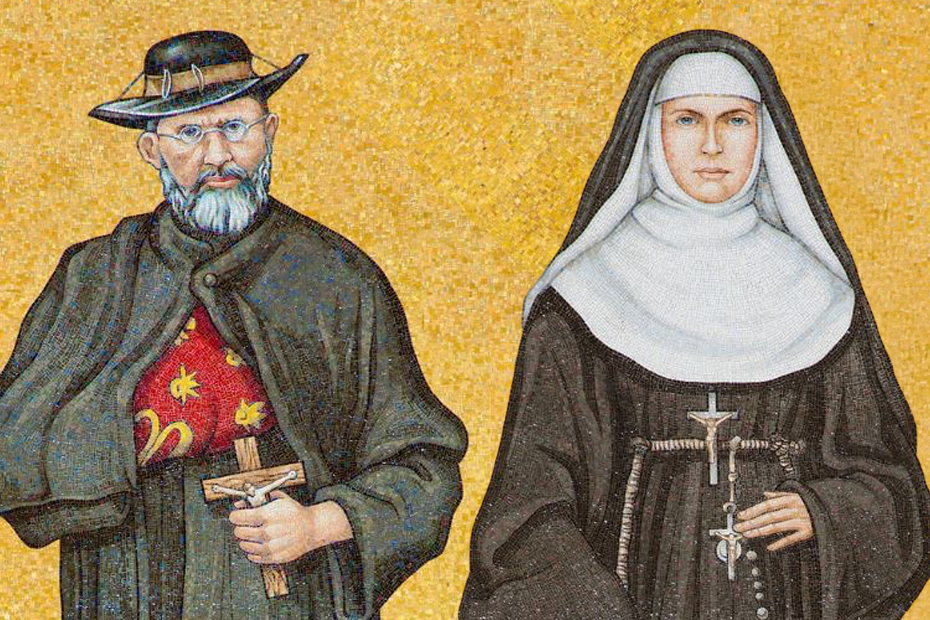
At first, Marianne worked at the hospital that served as a receiving station for new people coming onto the island. She and the other sisters cleaned up the hospital so the conditions weren’t so deplorable. In addition, they built a home inside the hospital compound to take care of the healthy daughters of those with leprosy. A few years later, when the government shut down the facility, Marianne and the other sisters moved to Molokai to help care for the people there. She worked with Fr. Damien, who was living on Molokai with the lepers, until he died several months later. Marianne promised Damien that she would take over the home he had started for boys and girls. She stayed true to her word and took care of them until she died in 1918.
The cardinal who said the Mass at Marianne’s beatification said: “She saw in [the lepers] the suffering face of Jesus. Like the Good Samaritan, she became their mother.”
Marianne understood that everyone has dignity and value because we are all children of God. Having a disfiguring disease does not change that. The world may have been frightened and disgusted by the people with leprosy, but Marianne and her sisters were not. In fact, she did little things—like introduce bright-colored scarves and pretty dresses to the women’s clothing—so that they could feel better about themselves and know that, while their skin may have shown the effects of this disease, their outward appearance had nothing to do with their inherent beauty.
We can learn so much from St. Marianne Cope, and her inspiration can lead us to do great things for other people. Wouldn’t it be such an immense blessing if someday—after we passed—someone said of us “[She/he] saw the suffering face of Jesus in everyone [she/he] met”? Wouldn’t it be wonderful to be compared to the Good Samaritan?
It’s possible! We simply need to put our faith into action and care for others as we would want them to care for us. That is what Christ commands. And that is why we have the saints to guide us.
St. Marianne offered hope to the people suffering from leprosy. We can give hope to the suffering as well. Let us think about those whom society considers “lepers” today and let us work to treat them with the love and compassion of Christ. Just as people in St. Marianne’s time did not understand the inherent dignity of those with leprosy, many today do not understand the inherent dignity of preborn babies, the elderly, the sick, or people with disabilities. They often treat these people with disdain and even disgust. Changing that mindset starts with each of us, in our homes and with our children and families.
So as we think about St. Marianne’s life, let us pray for her guidance and ask her intercession as we strive to become more like her and shine Christ’s love to all His people. And let us truly understand that, in God’s eyes, no one is a leper.
Teach your children about St. Damien of Molokai with our downloadable lesson booklet for middle schoolers and older.